About Campus Connections
The program is intentionally community-embedded, creating consistent opportunities for youth to experience encouragement, access, and positive engagement within a college setting, while university students engage in applied learning that cultivates professional identity, cultural responsiveness, and ethical practice.
Through this reciprocal model of connection and growth, Campus Connections advances regional well-being and prepares the next generation of community-centered professionals.
Program Overview
Campus Connections operates during the academic year and follows a structured mentoring model designed to provide consistency, supervision, and meaningful engagement.
Youth are referred through local schools, community agencies, and partner organizations. Each youth is paired one-to-one with a trained university student mentor; however, all mentoring takes place within a collaborative group setting. This design allows individual relationships to develop while youth and mentors participate together in shared activities that foster connection, peer interaction, and collective growth.
University student mentors complete pre-service training and receive ongoing supervision and applied learning support throughout the semester. Program staff provide professional oversight to ensure safety, structure, and quality implementation.
Campus Connections is intentionally designed to strengthen protective factors through sustained relationships, campus engagement, and developmentally responsive group experiences that support belonging, resilience, and well-being.
Program Commitments & Requirements
Program Length
• Operates within the university’s 15-week academic semester
• Youth participate in 12 weeks of structured mentoring sessions during the Fall and Spring semesters
• The remaining weeks support mentor training, preparation, and program closure activities
Time Commitment
University Student Mentors:
• Commit approximately 6 hours per week during the semester
• Participate in weekly mentoring sessions
• Complete required coursework, training, and program responsibilities
Youth Participants:
• Attend approximately 4 hours per week over a 12-week period
• Participate in structured mentoring activities within the campus-based program setting
Course Credit
• 3-credit, upper-division service-learning course
• The course is an elective open to students of all majors
Student Requirements
• Contact the course instructor to schedule an interview and obtain an enrollment permit
• Complete a required background check (provided at no cost to the student)
• Enroll early — space is limited
Distinctive Aspects of the Program
Campus-Based Access and Exposure
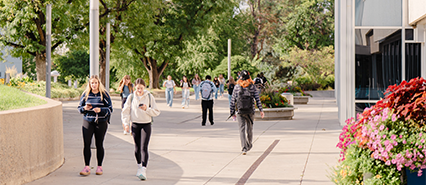
Campus Connections is a campus-based program, providing youth with firsthand experience in a higher education environment. This setting helps make college feel visible, accessible, and attainable while fostering a sense of belonging within the university community.
Lead Mentor Support
Experienced and returning mentors serve as Lead Mentors, providing additional guidance and peer support to mentors and mentees, and contribute to a supportive mentoring culture.
Faculty-Guided, Evidence-Informed Design
Faculty and program leadership draw on expertise in systemic, therapeutic, and evidence-informed practices to ensure the program is thoughtfully structured, supervised, and responsive to youth needs. Professional oversight supports consistency, safety, and program quality.
Youth-Driven Development and Supportive Growth
Mentors partner with youth to identify strengths, explore interests, and develop meaningful goals. Within a structured, collaborative environment, youth are encouraged to take ownership of their growth and receive consistent encouragement and support. The program emphasizes confidence-building, skill development, and resilience, creating space for youth to progress at their own pace within a safe and welcoming community setting.