Back to Top

Well-Being Initiatives & Prevention Education Services
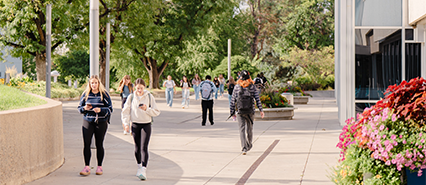
Students rejoicing

Well-Being Initiatives & Prevention Education

Our mission is to cultivate a campus culture of holistic well-being by providing prevention education, health promotion, personal development, and learning opportunities that support the academic success, resilience, and overall well-being of the Colorado State University Pueblo community. Through a comprehensive approach that addresses physical, mental, emotional, social, and behavioral health, we empower students to thrive both inside and outside the classroom.

The Well-Being Initiatives program offers innovative educational experiences designed to promote healthy decision-making, strengthen protective factors, and foster a supportive and inclusive campus environment. Our prevention and health promotion efforts include evidence-informed education on alcohol and other drug use, mental health and suicide prevention, interpersonal violence prevention, healthy relationships, stress management, and overall wellness.

To further support student success and community care, we provide nationally recognized training programs, including:

  • Question, Persuade, Refer (QPR) Suicide Prevention Gatekeeper Training
  • Mental Health First Aid (MHFA) Certification Training
  • Certified Peer Educator (CPE) Training and Leadership Development
  • Bystander intervention and prevention education (Green Dot)
  • Alcohol and other drug education and risk reduction programming (Alcohol101+)
  • Wellness-focused workshops and outreach initiatives

Some students may be mandated to complete an assessment and educational intervention track with a University Official as a result of violating the Alcohol and Other Drug Policy.

Individual Services

  •  

    Certified Peer Educator (CPE)

    What Does CPE Training Include?

    CPE is a comprehensive, 12-hour foundation training suitable for any collegiate peer education group or individual. The training includes eight modules, covering the role of peer education, helping peers make a behavior change, listening skills, response and referral skills, how to take action and intervene,ensure programming efforts are inclusive and accessible, programming and presentation skills, self-care, and group dynamics.This document provides an overview of the course content and what to expect in each module. 

    Students who complete the training and pass the online test earn their Certified Peer Educator (CPE) Certification. In addition to the certification, students will receive a resume attachment confirming they have been trained in core skills that will enhance their abilities as leaders, role models, activists, and team members. 

    Submit your Application here

  •  

    Referral

    Not all students will be appropriate for work with the HEP. In the event that the use of alcohol or other drugs is beyond the scope of care, individuals will be referred to other on-campus and off-campus programs for assistance.

  •  

    Alcohol101+

    Want to introduce alcohol education, but not sure you have the time for it? The HEP offers a compressed online educational session to cover how alcohol reacts to the body when consumed, recognizing the signs of alcohol poisoning, and resources on-campus. This is a perfect program idea for existing meetings where you'd like to include a brief alcohol education session.

    Register here

Group Services

  •  

    Alcohol Bystander Intervention Training

    This formal session helps student leaders recognize the signs of over-consumption and how to accurately respond to possible alcohol poisoning. Participants will engage in short role-plays to practice techniques in responding with intoxicated individuals.

    Watch Session

    For additional learning materials students can enroll in Alcohol101+ for free to learn more about alcohol education. 

    Register for Alcohol101+ here

  •  

    Question, Persuade, Refer (QPR) Suicide Prevention Gatekeeper Training

    Program goals

    Upon completion of training, all participants should be able to:

    • Understand suicide as a major public health problem for our youth
    • Understand the common myths and facts surrounding youth suicide
    • Identify unique verbal, behavioral, and situational youth suicide warning signs
    • Recognize and respond to a youth in distress who may be at risk of suicide
    • Know how to inquire about suicidal intent and desire
    • Recognize at least three youth suicide warning signs
    • Recognize at least three youth risk factors for suicide
    • Recognize at least three youth-oriented protective factors against suicide
    • Demonstrate increased knowledge, skills, self-efficacy and intent to act to intervene with suicidal youth and others
    • Know how to engage and assist a suicidal young person
    • Demonstrate increased knowledge about suicide and its causes
    • Engage in an interactive and helpful conversation with a youth who has attempted suicide
    • Engage in an interactive and helpful conversation with the loved ones or family members of someone who has died by suicide
    • Request for Collaboration
  •  

    Mental Health First Aid (MHFA) Certification Training

    In a MHFA course, people learn how to notice signs of mental health or substance use challenges. They also learn how to give support and help someone find the right kind of care. 

    The course teaches the MHFA Action Plan (ALGEE). This is a set of steps you can use in any order to support someone who may be going through a tough time. 

    The training helps take the fear or worry out of talking about mental health. When more people know how to start these conversations, more people can get the help they need. 

    Request for Collaboration

  •  

    GreenDot Bystander Intervention

    What is Green Dot?

    • Violence Prevention Through Bystander Action: Green Dot is an evidence-based strategy aimed at preventing power-based personal violence—such as sexual assault, dating/domestic violence, and stalking—by empowering individuals to intervene safely and effectively when they witness concerning situations 
    • Proactive and Reactive Strategies: The initiative encourages both proactive actions (like promoting awareness and attending trainings) and reactive interventions using the "Three Ds"—Direct, Distract, and Delegate—to safely respond to potentially harmful situations 
    • Culture Change Through Individual Choices: Green Dot promotes a shift in social norms by encouraging everyone—students, staff, and faculty—to take small, meaningful actions that collectively foster a safer, more respectful campus environment


    Interested in hosting a workshop for your classroom, department, or student organization? Complete our request form to connect with trained facilitators who can deliver engaging and impactful sessions tailored to your group’s needs.

    Request a Workshop

Discover CSU Pueblo

students studying in LARC

Request more information about our degree programs, activities, sports, application process, and more!

Request Information

9 Dimensions of Well-Being | Health Education & Prevention | CSU Pueblo Back to Top

9 Dimensions of Well-Being

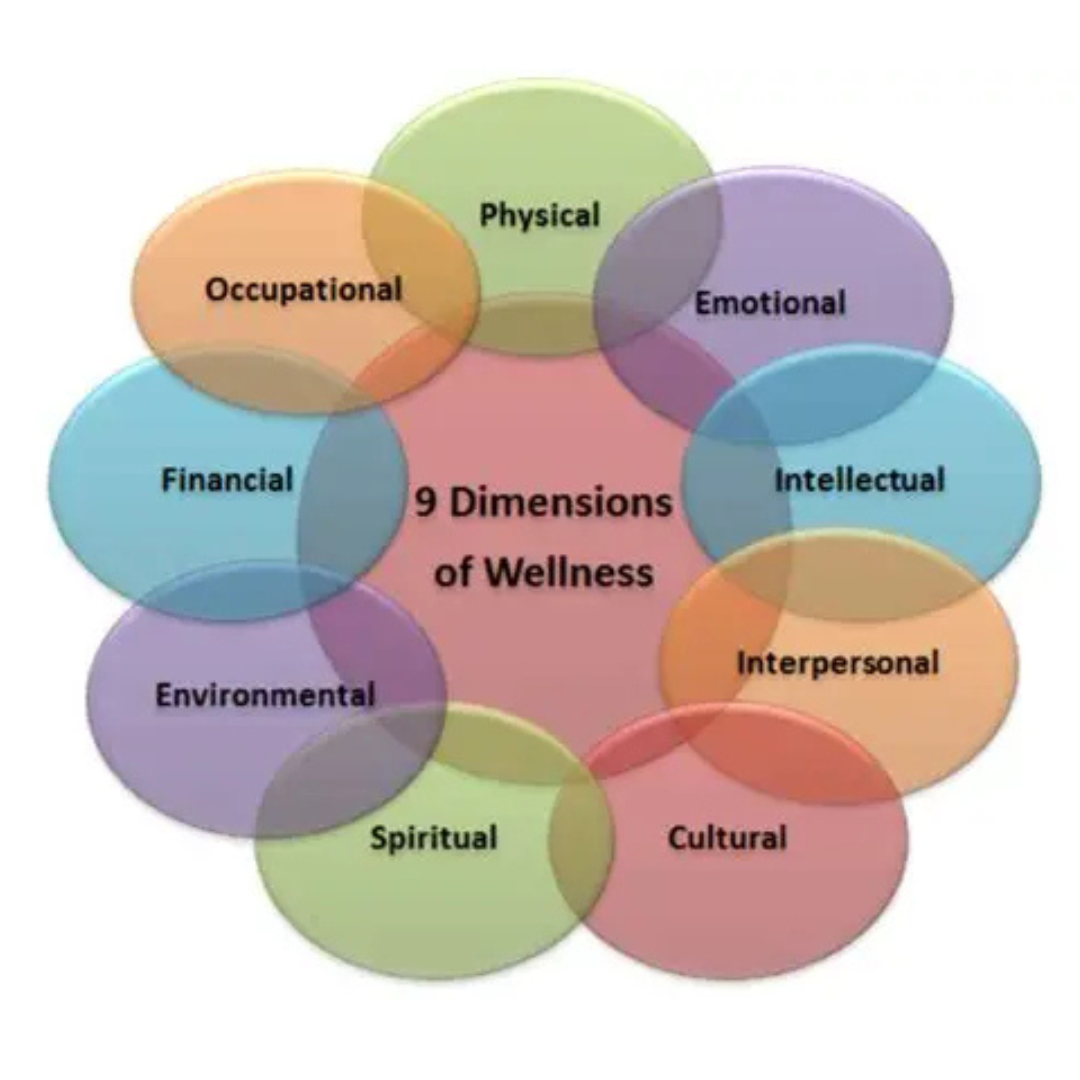
9 dimensions of wellness are emotional, physical, occupational, social, spiritual, intellectual, environmental, and financial

CSU Pueblo recognizes the importance of your well-being. Wellness comprises of eight mutually co-dependence dimensions: emotional, physical, occupational, interpersonal, spiritual, intellectual, environmental, cultural, and financial. If any one of these dimensions is neglected over time, it will adversely affect one’s health, well-being, and quality of life. A well-rounded balance of these wellness dimensions provides holistic harmony to one’s personal well-being.

Just like a balanced diet is needed for healthy nutrition, balanced wellness engages the body, mind, and nurtures the spirit. This multi-dimensional wellness approach focuses on emphasizing the importance of positivity and eternal motivation for promoting healthy habits to improve one’s quality of life.

 Learn how each dimension of wellness helps create an environment that nurtures and builds a healthy lifestyle.


  •  

    Emotional Well-Being

    Emotional wellness is one of the nine dimensions that contribute to overall health and wellness. Emotional wellness encompasses the knowledge and skills to identify personal feelings and the ability to handle those emotions. National Institutes of Health describe emotional wellness as “the ability to successfully handle life’s stresses and adapt to change and difficult times” (NIH, 2018). The resources listed in this section are opportunities designed to optimize your physical wellness status, which can positively impact your overall health and wellness.

    More resources 

  •  

    Physical Dimension

    Physical wellness is one of nine dimensions that contribute to overall health and wellness. This dimension encompasses all areas of health that relate to physical aspects of the body including, nutrition, exercise, weight management, ergonomics, tobacco use, disease, disease prevention, and more. The resources listed in this section are opportunities designed to optimize your physical wellness status, which can positively impact your overall health and wellness.

    More resources

  •  

    Occupational Well-Being

    Occupational wellness is one of nine dimensions that contribute to overall health and wellness. Occupational wellness encompasses all aspects of wellbeing pertaining to personal satisfaction in your job/career.  The resources listed in this section are opportunities designed to optimize your occupational wellness status, which can positively impact your overall health and wellness.

    More Resources


  •  

    Interpersonal (Social) Well-Being

    Interpersonal (Social) wellness is one of nine dimensions that contribute to overall health and wellness. Social wellness encompasses all aspects of wellbeing pertaining to social connections, relationships, and personal expression. The resources listed in this section are opportunities designed to optimize your social wellness status, which can positively impact your overall health and wellness.

    More resources


  •  

    Spiritual Well-Being

    Spiritual wellness is one of nine dimensions that contribute to overall health and wellness. Spiritual wellness encompasses all aspects of wellbeing pertaining to the search for purpose and meaning in life. This may include the belief in a higher power, but spiritual wellness does not have to be aligned with a religion. The resources listed in this section are opportunities designed to optimize your spiritual wellness status, which can positively impact your overall health and wellness.

    More resources


  •  

    Intellectual Well-Being

    Intellectual wellness is one of nine dimensions that contribute to overall health and wellness. Intellectual wellness encompasses all aspects of wellbeing pertaining to brain health and growth via thought-provoking mental activities. The resources listed in this section are opportunities designed to optimize your intellectual wellness status, which can positively impact your overall health and wellness.

    More resources

  •  

    Environment Well-Being

    Environmental Wellness is one of nine dimensions that contribute to overall health and wellness. This dimension encompasses all areas of health that relate to the environment and in turn, how the environment can impact human health. Environmental wellness includes eco-friendly considerations, active participation in recycling and proper disposal of electronics and medicine, energy, fuel, and water conservation, and the use of sustainable products. The resources listed in this section are opportunities designed to optimize your overall health and wellness as it pertains to natural resources and environmental preservation.

    More resources

  •  

    Financial Well-Being

    Financial wellness is one of nine dimensions that contribute to overall health and wellness. Financial wellness encompasses all aspects of wellbeing pertaining to finances including knowledge and skills of financial planning and managing expenses. The resources listed in this section are opportunities designed to optimize your financial wellness status, which can positively impact your overall health and wellness.

    More resources

  •  

    Cultural Well-Being

    Focuses on understanding, respecting, and embracing diverse cultural identities. It involves creating inclusive environments, valuing traditions, and fostering intercultural communication. By appreciating and celebrating cultural differences, individuals contribute to their own well-being and a harmonious society.

    More resources

Discover CSU Pueblo

students studying in LARC

Request more information about our degree programs, activities, sports, application process, and more!

Request Information

Advising

two students smiling
The PACK Center and HSB Advising are available to assist you. Stop by or call for support. PACK: 719-549-2584, HSB: 719-549-2142, & Online: 719-549-2200.

Health Education & Prevention Program

  • Precious Molina, Wellbeing Program Coordinator
  • 719.549.2121
Back to Top